Friday, May 18, 2007

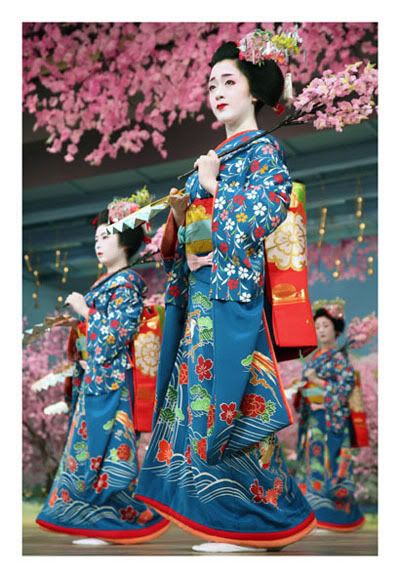
Kyo Odori: Maiko of Miyagawa

Photo Sharing and Video Hosting at Photobucket
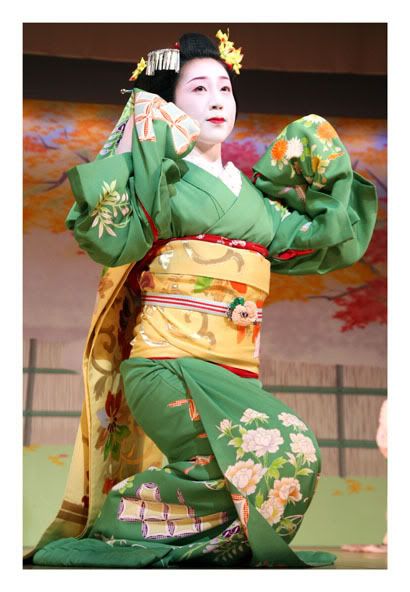
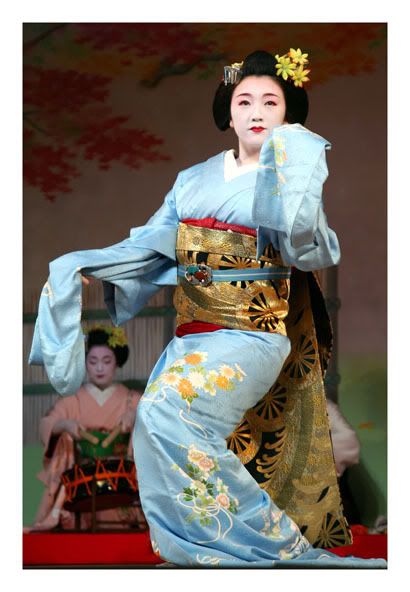
Fukunao

Satoai, Fukuya, and Fukuhina

Photo Sharing and Video Hosting at Photobucket
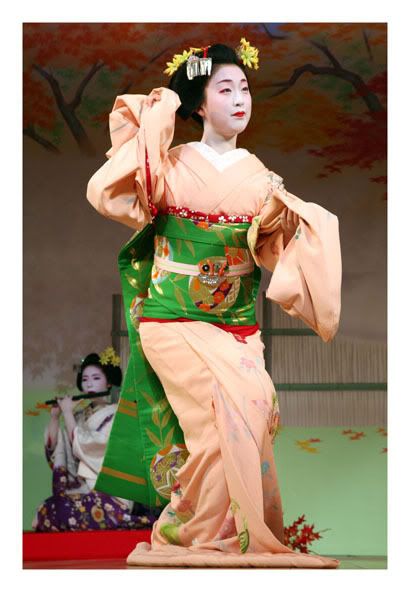
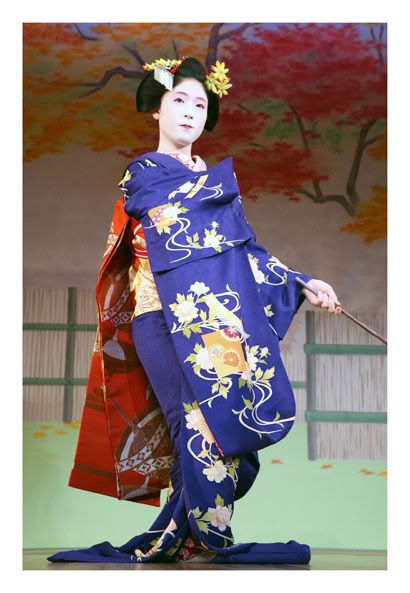
Fukuya

Fukuya and Kimika
Photo Sharing and Video Hosting at Photobucket
Yasuha

Photo Sharing and Video Hosting at Photobucket

Miehina
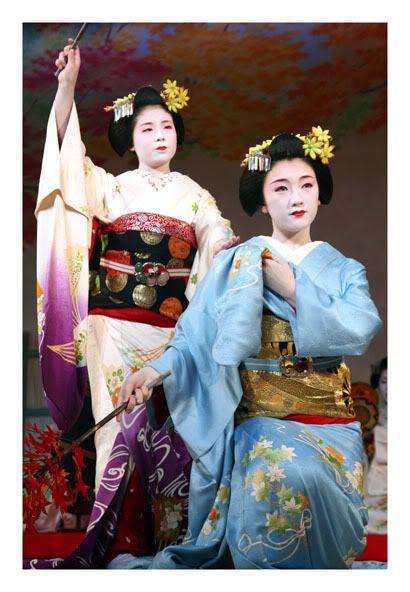
Satoai and Yasuha

Photo Sharing and Video Hosting at Photobucket
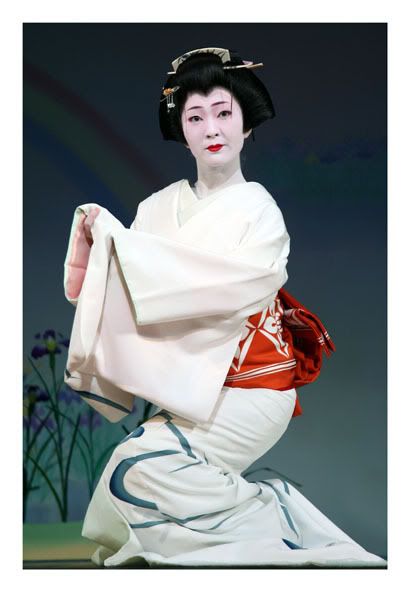
Fukunao and Fukuyuu

Thursday, May 17, 2007

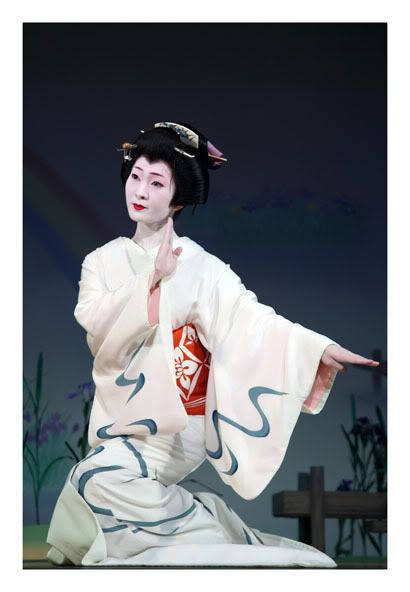
Kyo Odori: Irises of Heian Shrine

Photo Sharing and Video Hosting at Photobucket
The elegant, classic beauty, Kimina.

Toshihana and Fukunami with a senior geiko.
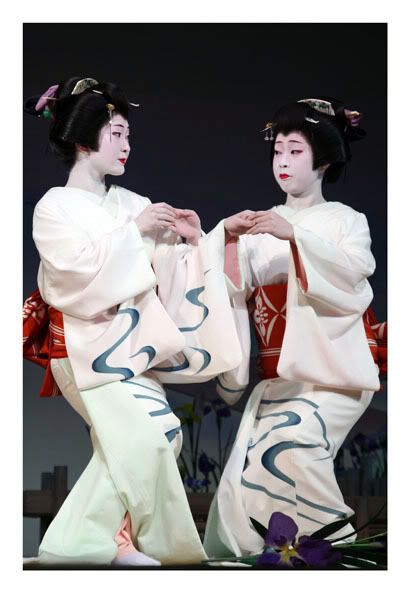
Photo Sharing and Video Hosting at Photobucket
Kimina and Fukunami Photo Sharing and Video Hosting at Photobucket

Wednesday, May 16, 2007

Kyo Odori

Photo Sharing and Video Hosting at Photobucket
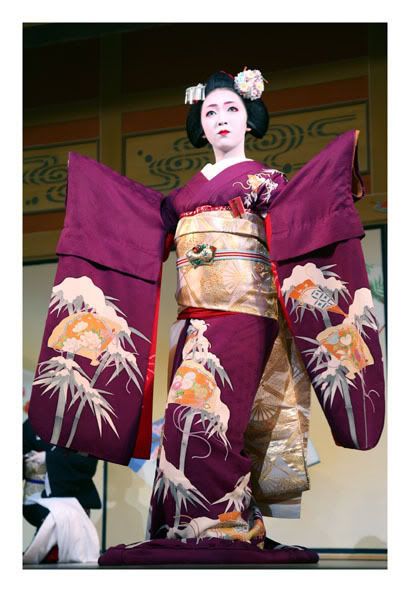
Kikutsuru

An Introduction to Kyo Odori ( from the Kyo Odori Programme)

With the arrival of another beautiful spring in the ancient capital, we are again staging the brilliant annual Kyo Odori. The 58th event of the traditional spring dance performance presents the seven scenes of Miyako no Shiki no Mai Ogi (expressing the four seasons in Kyoto through dancer's fans). The Miyagawa-cho Geiko crew provides a tour of many Kyoto attractions, depicting the manners and customs of Kyoto people and performing a powerful and majestic dance inspired by an old legend.


By holding the Kyo Odori performance every year, we at the Miyagawa-cho Kabukai aim to help refine our performing skills even further and develop new talents for traditonal Miyagawa-cho entertainment.

We are convinced that our sustained devotion and passion for traditional dance will enable us to meet your expectations. . .

Fukuaya, Kikutsuru, and Komomo
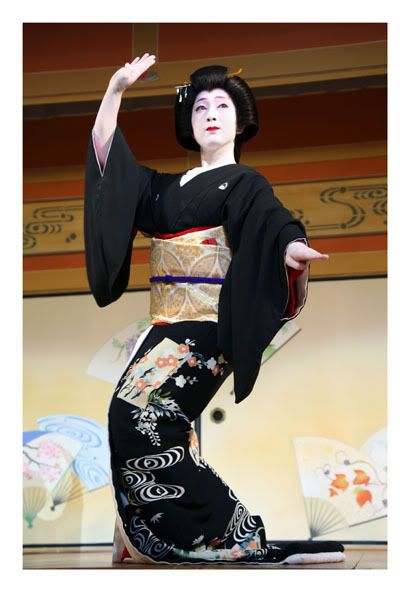
Photo Sharing and Video Hosting at Photobucket

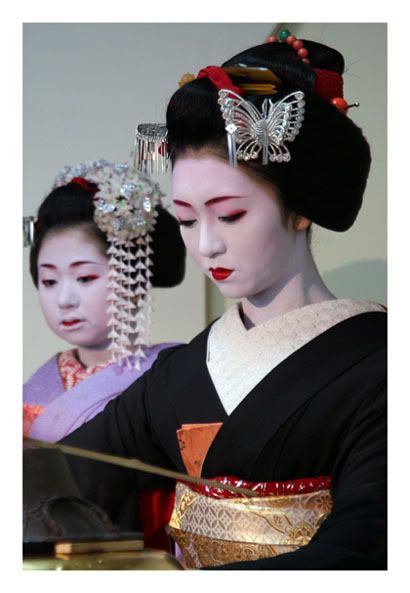
Kimigiku

Well, I certaintly wasn't disappointed (^_<)
Thursday, May 10, 2007

Coming Soon: Kyo Odori

Photo Sharing and Video Hosting at Photobucket
The stunningly beautiful Kikusturu performing the tea ceremony before her final Kyo Odori as a maiko. This summer, she will turn her collar and become a full-fledged geisha.

Monday, May 7, 2007

Miyako Odori: Finale

Photo Sharing and Video Hosting at Photobucket
Kotoha, my favorite dancer (^-^) Text coming soon!

Cherry Blossoms in the Kinkakuji Temple: Kinkakuji was originally built in 1397 as a villa for Ashikaga Yoshimatsu, the third shogun of the Muromachi Shogunate.. After Yoshimitsu's death, in accordance with his will, the villa became a temple of the Rinzai sect. The official name is Hokuzan Rokuonji, but people have called it Kinkakuji (golden pavillion temple) ever since it's three-story pavillion was covered in pure gold leaf.

Katsuyuki and Ayakazu.
Koyuki , Terutoyo, and Kotoha

Saturday, May 5, 2007

Kodomo No Hi

Photobucket - Video and Image Hosting
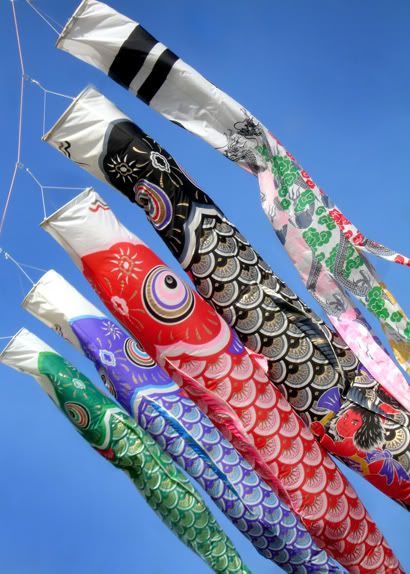
For Kodomo No Hi (Children's Day), families raise colorful carp-shaped "Koinobori" flags, one for each member of the family. The largest carp flag represents the father, followed by the mother and smaller carp to represent children.

For the past month, brilliant, boldly-colored carp flags have flickered in the fresh, baby-blue skies with every breath of spring. In Japan, carp are famous for fighting their way upstream and leaping over waterfalls to get to their spawning areas, making them a symbol of the famous fighting spirit, valiant efforts, and success. Like rainbows fluttering over the slowly flooding rice feilds, koinobori are raised in the hope that young boys in Japan will grow up with the same admirable qualities. Samurai helmets and warrior dolls gaurd the windows of traditional shops and entrances of homes blessed with sons, inspiring boys throught the land of the rising sun to be strong and brave.

May is the month of purple flowers, with irises and wisteria crowning the countryside with kingly purples and violets. The iris, or shoubu, is another famous symbol of Kodomo no Hi. In Japanese, shoubu means both iris and military spirit (although the Chinese characters are different), and because the shape of the leaves resemble swords, they are used to decorate the samurai style Go Gatsu Ningyo (5th Month dolls).

Kashiwa mochi and irises. Image by att.japan

No holiday would be complete without its special treats, and Kodomo no Hi is no exception. Children are treated to kashiwa-mochi, a sweet rice cake filled with even sweeter bean paste and wrapped in an oak leaf. Chimaki, a sticky sweet cake wrapped in bamboo leaves, is also very popular.


Summer is here! Happy Kodomo No Hi (^-^)/